Category: Uncategorized

  • Choosing Hotels, Pousadas, and Restaurants in Bahia, Brazil

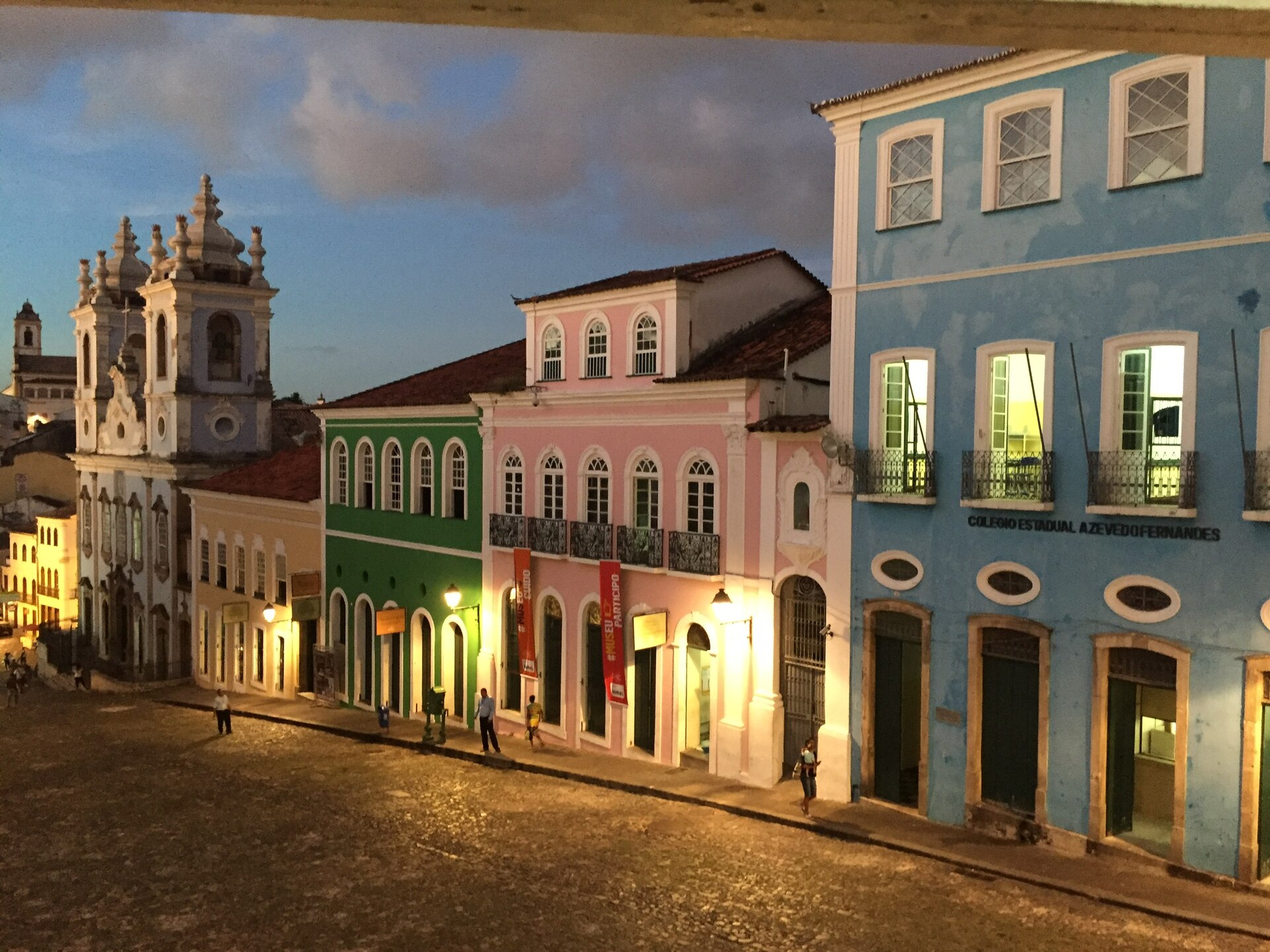
    Colorful colonial buildings and a church in Pelourinho, Salvador, at dusk.
    Pelourinho, Salvador. The photograph illustrates the destination rather than a specific hotel or restaurant. TMorata / Wikimedia Commons, CC BY-SA 4.0. Uncropped.

    Bahia is too varied to treat as a single destination. A stay among Salvador’s historic streets calls for a different approach from time in the coastal communities of the Costa do Descobrimento or an inland escape toward Chapada Diamantina. The same is true of dining: meals can be a central part of the trip, connecting visitors with long-standing culinary practices, cacao-growing culture in the south, and the landscapes that shape each region.

    The most satisfying way to choose hotels, pousadas, and restaurants in Bahia is to begin with place rather than a property name. Decide whether the journey is led by city heritage, beaches, nature, or food, then select a base whose pace makes that experience easier to enjoy.

    Acarajé photographed in Salvador.
    Acarajé in Salvador, photographed in July 2025. Sintegrity / Wikimedia Commons, CC BY-SA 4.0. Uncropped.

    Match Your Base to the Bahia You Want to Experience

    Bahia’s tourism geography is organized into 13 zones, a useful reminder that the state contains distinct travel settings rather than one uniform coast-to-interior route. For travelers, this means that location is the first major decision: a hotel can be comfortable, but it will not turn a beach-centered stay into a practical base for mountain landscapes, or vice versa.

    Salvador: heritage, streetscapes, and food culture

    Salvador suits travelers who want their accommodation to place them close to an urban cultural setting. The city was Brazil’s first capital from 1549 to 1763, and its Historic Centre was inscribed on the World Heritage List in 1985. Choosing a stay in or near the historic core can make sense for visitors who want time for the city’s streets, architecture, and culinary character rather than treating Salvador only as an arrival point.

    For dining, Salvador is an especially meaningful place to seek out acarajé. The Ofício das Baianas de Acarajé is a recognized traditional practice with culinary and religious context. That context matters: acarajé is more than a convenient snack to tick off a list. Approach it as part of Bahian living heritage, and allow the meal to be an encounter with a tradition rather than simply a quick stop between sights.

    A city stay generally works best when lodging and restaurants are chosen around a walkable daily pattern: breakfast near the accommodation, a flexible midday meal, and an evening restaurant or food stop that does not require turning every dinner into a long cross-city journey. Travelers who prefer a quieter retreat may instead use Salvador as a short, focused urban stay before moving on.

    Costa do Descobrimento: choosing a coastal character

    Porto Seguro, Arraial d’Ajuda, Caraíva, and Trancoso are all highlighted within the Costa do Descobrimento zone, but they should not be treated as interchangeable labels. A coastal itinerary becomes clearer when you choose one primary base and let the atmosphere you want guide the lodging search: a more connected town setting, a smaller-scale village feel, or a quieter beach-oriented rhythm.

    This coastline also sits within a broader environmental context. The Discovery Coast Atlantic Forest Reserves encompass protected areas across Bahia and Espírito Santo with Atlantic Forest and restinga vegetation. For travelers drawn to nature as well as the shore, it is worth choosing accommodation and meals in a way that leaves room for both: unhurried beach time, local dining, and the landscapes beyond the sand.

    Rather than hopping bases constantly, many travelers will get more from selecting one or two places to sleep and allowing restaurant choices to change from day to day. A restaurant close to the beach may suit a long afternoon; a meal in a town or village setting may better fit an evening when the aim is to linger.

    Chapada Diamantina: base yourself for an inland rhythm

    Chapada Diamantina offers a different kind of Bahia stay. Parque Nacional da Chapada Diamantina is a large protected area in the Caatinga biome, and the region calls for a lodging choice that supports outdoor days and restful evenings rather than a resort-style expectation. Lençóis is widely regarded as a gateway to Chapada Diamantina, making it a natural starting point for travelers who want a settled base while exploring the area.

    Here, a pousada can be particularly appealing as a search category because it often signals a smaller-scale lodging experience. Still, the word does not guarantee a standard set of rooms, services, amenities, or accessibility features. Choose according to the practical rhythm you need: the ease of an early departure, a comfortable recovery after a long day outdoors, and access to meals that fit your plans.

    Choose Accommodation by Rhythm, Not Just Style

    Hotels and pousadas are useful labels, but they are not travel personalities in themselves. The right choice depends on how you want each day to unfold. A centrally located hotel can make sense for a short urban visit, while a pousada in a smaller coastal or inland setting may be a better fit when the point is to slow down and spend more time close to one landscape.

    Think about four decisions together:

    • Setting: Do you want historic streets, a beach community, an inland town, or a more rural-feeling base?
    • Daily pace: Are you planning full days out, or do you want the accommodation itself to be a place where you spend meaningful time?
    • Meal pattern: Will you want restaurants within easy reach, or are you comfortable building meals around longer outings?
    • Trip structure: Is this one base for the entire journey, or one part of a wider route through Bahia?

    A good lodging choice reduces friction. In Salvador, that can mean being well positioned for the historic center and food stops. In Chapada Diamantina, it can mean a base that makes outdoor-focused days manageable. Along the coast, it can mean choosing the community whose scale and surroundings feel right for the kind of beach time you actually want.

    Let Food Lead You Through the Regions

    Bahian dining is not confined to formal restaurants. Street-food traditions, casual places to eat, and meals shaped by regional ingredients can be as important to the trip as a dinner reservation. The key is to leave enough space in the itinerary for food to be discovered in context.

    In Salvador, acarajé offers a direct connection to a culinary tradition rooted in religious and cultural life. Give it the attention you would give a landmark: eat without rushing, notice the setting, and recognize that the experience carries a meaning beyond the plate.

    In southern Bahia, cacao is closely tied to both culture and gastronomy. The Ilhéus–Uruçuca corridor is associated with the Estrada do Chocolate, giving travelers a useful theme for choosing places to eat and for understanding why chocolate and cacao can be part of a regional food experience. This is an especially good region for travelers who want dining to connect with a local agricultural story rather than only with the coastline.

    The Costa do Dendê route, associated with Valença, Cairu, Camamu, Maraú, Ituberá, and Nilo Peçanha, offers another way to think about food and location together. Rather than treating each meal as separate from the destination, use the route as a prompt to notice how coastal and rural settings influence the kind of food experience you seek.

    Put Stays and Meals Together as One Journey

    A balanced Bahia itinerary usually benefits from contrast. Pair a heritage-rich city stay with a beach base, or combine a coastal portion with time in Chapada Diamantina. This approach makes accommodation choices easier because each stop has a clear purpose. Salvador can provide urban depth and food culture; the Costa do Descobrimento can provide a beach-centered stay; Chapada Diamantina can bring an inland nature focus; southern Bahia can add cacao to the culinary story.

    Avoid trying to make every lodging choice serve every possible interest. A centrally placed city hotel need not imitate a quiet pousada, and a beach pousada does not need to function like an inland base for nature exploration. Let each place do its own job well.

    When choosing where to stay and eat, confirm current availability, opening hours, prices, accessibility, dietary options, and booking terms directly with each business. With the right base and a little room for meals to unfold naturally, Bahia becomes less a checklist of stops and more a journey through distinct landscapes, traditions, and table experiences.

    Information may contain errors, omissions, or outdated details. Confirm time-sensitive information with the relevant official or authoritative source.

    Watch: Salvador neighborhood context

    This video from Visit Salvador da Bahia offers local visual context for the city portion of a Bahia visit. It is not a statewide hotel review; confirm present-day business details separately.
  • Your First Bahia Stay: Planning Accommodation, Meals, and Arrival

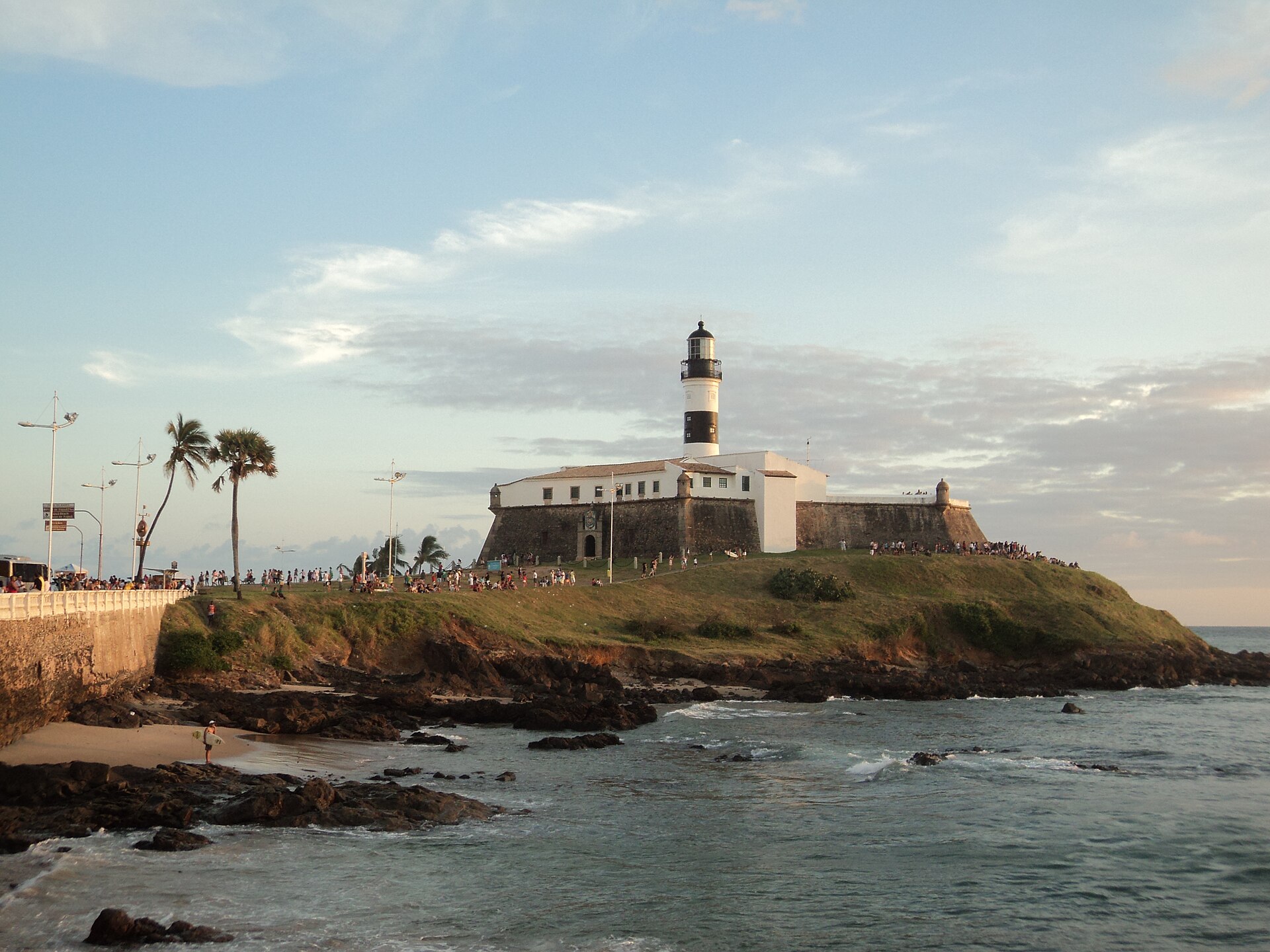
    Farol da Barra lighthouse and its coastal fort in Salvador.
    Farol da Barra, Salvador. Archival destination photograph from 2010. User:Hentzer / Wikimedia Commons, Public domain. Uncropped.

    There’s a lovely moment on a first trip to Bahia when the planning finally gives way to being there: your bag is in the room, you’ve found somewhere for dinner, and tomorrow is still wide open. A little preparation makes that moment arrive sooner.

    Once you’ve chosen your destination, concentrate on the small decisions that connect your flight, accommodation, and meals. A beautiful room is much easier to enjoy when you know how to reach it and what happens if your flight lands late.

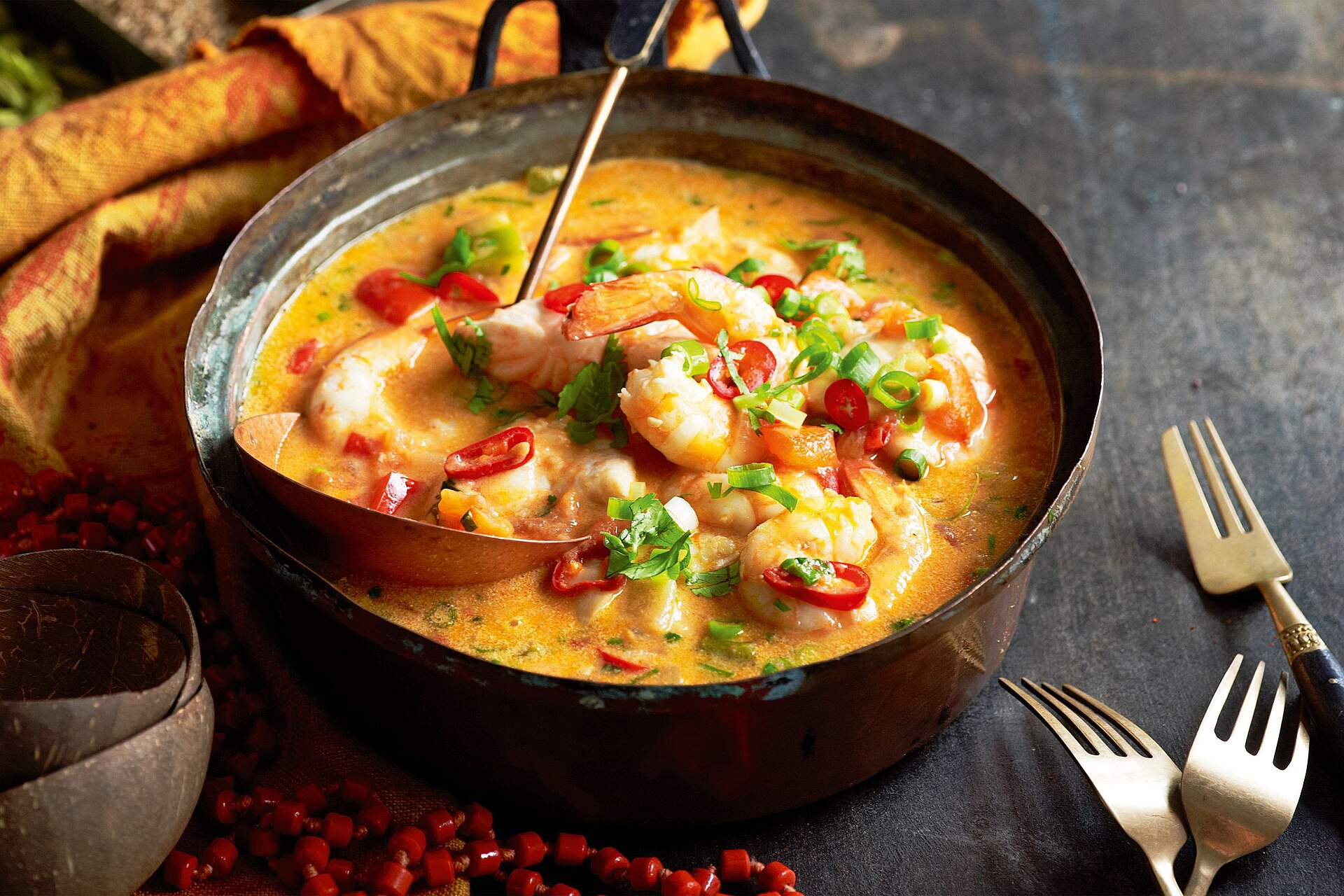
    A pot of moqueca with seafood and colorful vegetables on a table.
    Moqueca, shown as a food reference rather than a dish from a recommended restaurant. BR / Wikimedia Commons, CC BY-SA 4.0. Uncropped.

    Plan your first evening before your first excursion

    Start with the time you expect to reach your accommodation, allowing room for baggage collection and the onward journey. Then choose a manageable first-night plan: check in, eat nearby, and settle in.

    Save the restaurant you’ve been dreaming about for a day when a delayed flight won’t spoil the reservation. For arrival night, identify two realistic options close to your room and check their kitchen hours directly. A restaurant’s closing time may be later than its last food order.

    If you’re continuing to a coastal town, decide whether that transfer still makes sense at your arrival time. Ask the driver or accommodation for a realistic estimate rather than squeezing the journey between optimistic map timings.

    Ask about the arrival you’ll actually have

    A useful booking question is specific: “My flight lands at this time. How would check-in work if I arrived two hours later than expected?” That tells you more than a general promise of attentive service.

    Before confirming a hotel or pousada, check:

    • Whether someone will be available when you arrive, and how to reach them if you’re delayed
    • The exact entrance and drop-off point, including any steps or walk from the vehicle
    • Whether early arrival means luggage storage or access to the room, and whether either costs extra
    • The booked room’s bed arrangement, cooling, bathroom, and accessibility features you need
    • Breakfast times, particularly if you’re planning an early departure
    • The cancellation deadline and what the rate actually includes

    Save the answers with your confirmation. If step-free access matters, ask about the entire route from the street to the room and dining area. A photograph of a spacious bedroom won’t answer that question.

    Make the airport transfer a separate decision

    For arrivals in Salvador, the airport’s transport guidance lists licensed taxis, ride-hailing services, city buses, and a free shuttle connecting the terminal with the airport metro station. The metro connection includes that shuttle leg, so account for it when comparing routes.

    Think through the whole journey, including your final stop, bags, and arrival time. Public transport can suit a light, flexible arrival. A prearranged transfer may be worth comparing when several people are traveling together or the destination is farther along the coast. Confirm the meeting point, total charge, waiting policy, and how a flight delay will be handled.

    For Praia do Forte, the local tourism association’s arrival guide identifies the BA-099, also known as the Estrada do Coco, as the road approach from Salvador. Ask for a quote to your specific property, including any tolls, rather than a general price “to Praia do Forte.” Avoid building your first evening around a fixed journey time.

    Give meals a little structure

    You don’t need reservations for every lunch. It’s more useful to decide which meals deserve planning and which can stay spontaneous.

    Keep breakfast and arrival-night dinner straightforward. Pick one lunch or dinner that you particularly want to experience, then leave space around it. Check whether breakfast is included in your room rate and whether its timing works with your plans. If you expect to explore most days, consider how often you’ll actually use a package that includes other meals.

    In Salvador’s Rio Vermelho, Casa de Tereza is one concrete place to begin researching regional food. Its own website provides menus and information about the restaurant. Browse the dishes, check the current reservation arrangements, and decide whether it suits your appetite and budget. Treat it as a starting point for your shortlist, rather than a reason to cross the city immediately after landing.

    Order with curiosity and a few clear questions

    Learning a little about a dish makes the first taste more interesting. Acarajé is a black-eyed-pea fritter cooked in dendê oil; the version sold at a baiana’s stall can include fillings such as vatapá, caruru, and dried shrimp. IPHAN’s account of the baianas’ craft explains its deep connections with Afro-Brazilian religious and cultural traditions.

    Ask what comes with your order, whether it is intended for sharing, and how spicy it is. If you have dietary restrictions, discuss ingredients and preparation directly with the kitchen or vendor. Simply leaving off a visible topping may not address ingredients in a filling or sauce. Save any essential food questions in Portuguese before you go.

    Ask permission before photographing someone at work, and give busy vendors time to serve. Food is an enjoyable way to get to know Bahia, and the people preparing it are part of that encounter.

    Watch: the people behind Salvador’s food

    For a little culinary context before you travel, watch “Donas do Sabor – Nara e Angélica,” from Visit Salvador da Bahia. This Portuguese-language episode introduces two women behind the city’s food culture. It comes from the tourism office’s 2021 series, so enjoy it for the stories and check present-day restaurant details separately.

    Leave the first full day some breathing room

    Choose one main outing and one pleasant meal for your first day. Leave enough room to learn your surroundings and adjust after the journey.

    In Praia do Forte, Visit Brasil notes that the natural pools form at low tide. Check local conditions before deciding when to go, and follow advice about safe access. The Projeto Tamar visitor center offers another way to spend part of the day learning about sea-turtle conservation. Check its current opening information and activity arrangements before setting out.

    The evening before departure, save your accommodation address, arrival instructions, transfer details, and first meal options somewhere accessible offline. Then let the rest of the trip unfold. A well-planned beginning gives you more freedom to enjoy the days that follow.

  • Salvador, Praia do Forte, or the Southern Coast: Choosing a Base in Bahia

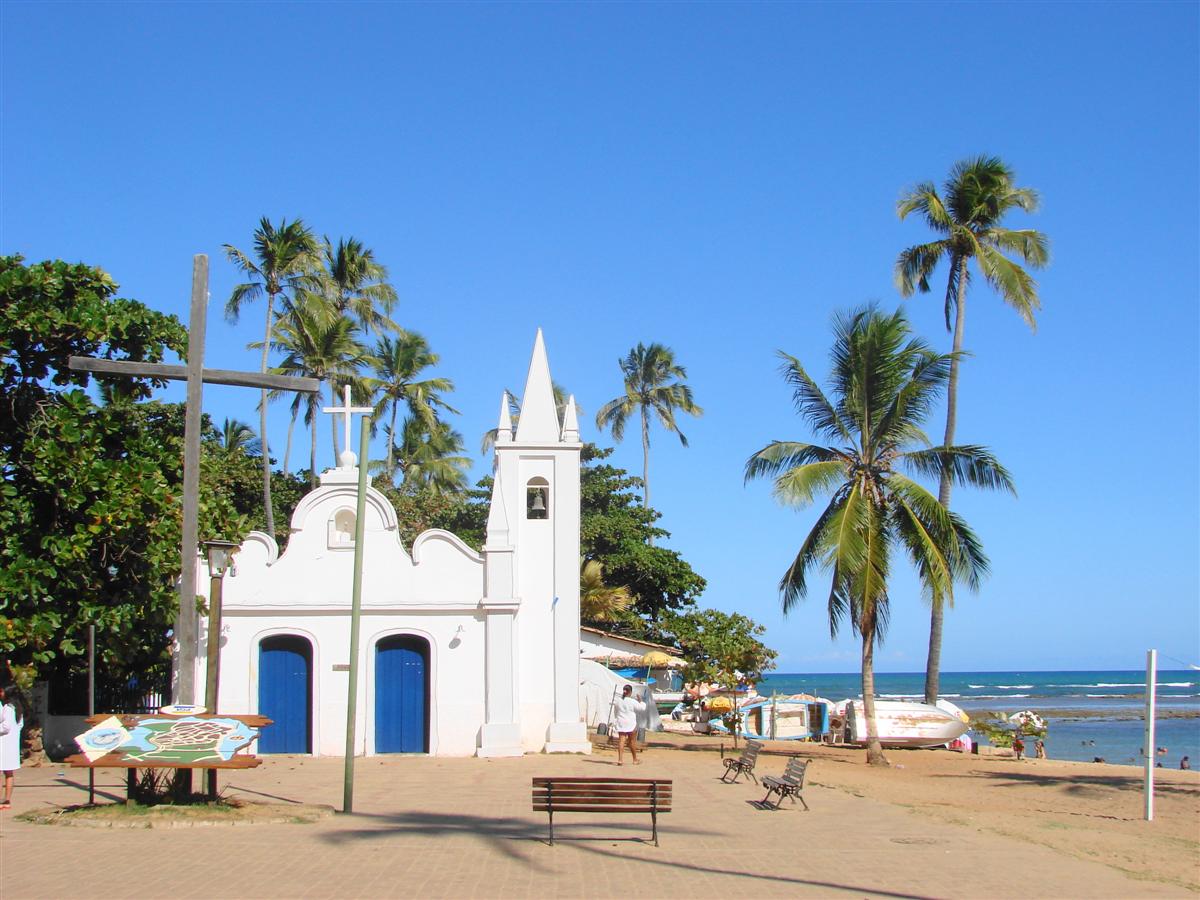
    White seaside church, palm trees, and beach at Praia do Forte, Bahia.
    Praia do Forte, Mata de São João, Bahia. Archival destination photograph from 2007. Glauco Umbelino / Wikimedia Commons, CC BY 2.0. Uncropped.

    Before booking a hotel in Bahia, check the journey from the airport to its front door. Salvador, Praia do Forte, Itacaré, and Trancoso can all appear on the same holiday shortlist, but they call for different arrival plans. Your choice of base also determines how you’ll reach dinner and the beach each day.

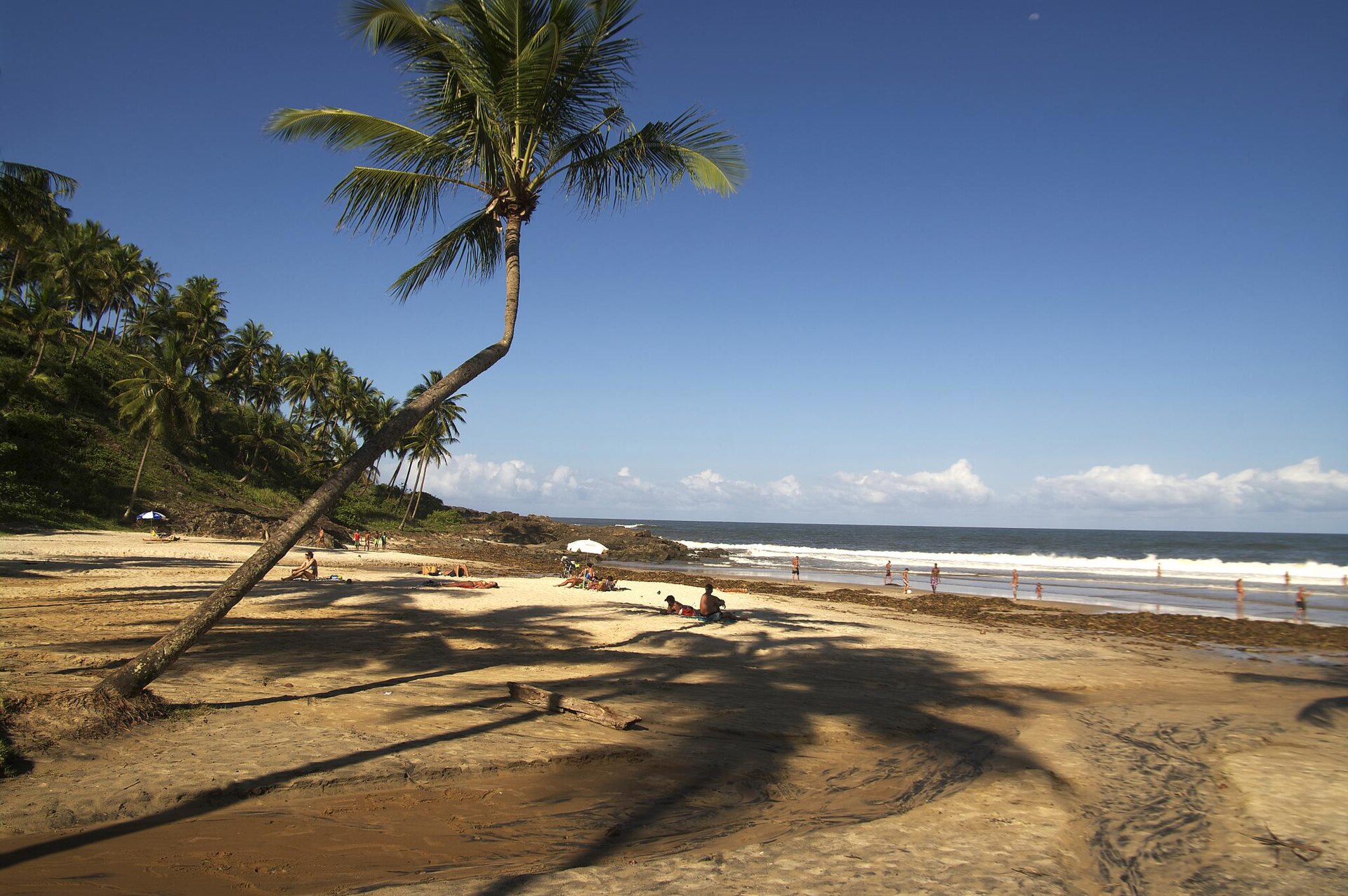
    Palm-lined sandy beach beside the Atlantic Ocean in Itacaré, Bahia.
    Itacaré, Bahia, representing the southern-coast option in the comparison. Otávio Nogueira / Wikimedia Commons, CC BY 2.0. Uncropped.

    Compare the airport and the accommodation together

    Begin your flight search with these destination pairings:

    These are starting points for comparison. Add the onward transfer to the airfare before choosing. Ask each shortlisted property how guests usually reach it, whether any ferry crossing is involved, and what changes with a late arrival.

    Salvador: for a trip built around the city

    Salvador makes sense when culture, food, and urban exploring are central to your plans. Visit Brasil’s city guide highlights its Afro-Brazilian heritage, historic center, waterfront, and dining districts. You can build a varied visit without moving to another town.

    Within Salvador, choose a neighborhood as carefully as you choose the hotel. Staying near the historic center can suit days focused on Pelourinho and Santo Antônio Além do Carmo. Barra is worth considering if the waterfront is part of your everyday plan. Rio Vermelho deserves a look when restaurants and evenings out feature prominently in your itinerary.

    Plot several places you genuinely want to visit before booking. A hotel that appears central on a regional map might still leave you with journeys you hadn’t planned. Ask about the immediate surroundings, evening transport, and noise at the particular room you’re considering.

    For meals, group plans geographically. Have lunch near that day’s sightseeing and choose only a few dinners that justify a separate journey.

    Praia do Forte: for a coastal stay with a village focus

    Praia do Forte is a natural option for travelers who want a beach-based stay connected to Salvador by road. The local tourism association describes the approach along the BA-099. This makes it worth considering alongside a city stay, provided you allow proper time for the move.

    Its appeal includes the village, coastal scenery, and natural pools that appear at low tide. The Projeto Tamar visitor center adds a conservation-focused outing. Plan around current conditions and opening information rather than assuming every activity fits any afternoon.

    The most important accommodation distinction is the exact setting. Compare a property close to the village with one where you expect to spend more time on site. Ask how you would reach restaurants, which beach access you would use, and what the return journey would involve after dinner.

    If trying different restaurants is part of the pleasure, give convenient village access real weight. If you prefer meals at your accommodation, examine the dining arrangements and what your chosen rate includes.

    Itacaré: for beach days with an active streak

    Itacaré belongs on the shortlist when you like the idea of mixing beach time with exploring. The municipality’s beach guide distinguishes urban beaches near the center from more distant beaches reached by road or trail. That difference matters when choosing both a base and a daily plan.

    A room close to town may suit travelers who want easier access to dining and some outings. A property farther along the coast calls for a closer look at transfers, meal options, and how independent you want to be. Check each beach’s access rather than assuming a coastal address means you can walk wherever you please.

    For flights, investigate Ilhéus before automatically booking Salvador. Txai’s own location information, for its property in the municipality of Itacaré, identifies Ilhéus as the nearest airport. Your accommodation can help confirm the onward route to its particular address.

    Keep trail plans flexible around conditions and your experience. Ask locally about access and guiding, and allow an unhurried lunch after an active morning.

    Arraial d’Ajuda and Trancoso: choose the kind of evening you want

    Farther south, Arraial d’Ajuda and Trancoso offer two more ways to organize a beach trip. They deserve their own planning rather than being treated as quick additions to Salvador or Itacaré.

    Visit Brasil describes Arraial d’Ajuda as combining beaches with a historic center, restaurants, shops, and nightlife. If you enjoy going out for dinner and wandering afterward, investigate accommodation in relation to both the center and the beach. Check the walking route and gradients, especially if you expect to make that journey more than once a day.

    In Trancoso, the Quadrado is an important reference point, with historic houses, restaurants, shops, and guesthouses around the square. Compare staying near it with staying closer to your preferred beach. Think through the return from dinner as well as the morning trip to the sand.

    Visit Brasil identifies Porto Seguro as the airport gateway for both destinations. When arranging onward transport, confirm the route, whether it involves a ferry, and how the timing works with your flight. Don’t assume two properties in the same destination have equally simple transfers.

    Watch: a closer look at Praia do Forte

    The local tourism association’s “Belezas Naturais de Praia do Forte – Bahia” offers a visual introduction to the area’s nature and culture. Use the film to get a feel for the destination, then confirm current transport, accommodation, and activity details for your own dates.

    Build the trip around the days you have

    For a shorter break, choosing one base lets you spend more time enjoying it. If a week-long itinerary is centered on Salvador and Praia do Forte, one city stay and one coastal stay may be a satisfying combination. These are planning suggestions, not minimum stays or fixed itineraries.

    For the southern coast, first decide which area interests you most, then compare the appropriate airport and onward journey. Adding destinations means packing, checking out, traveling, and settling in again. Count those as part of the holiday when you decide whether a move is worthwhile.

    Before paying, write down four things: the airport, the exact property, three meals you could realistically enjoy nearby, and the journey to your main activities. If those fit together comfortably, you’re close to choosing a base that will make Bahia feel wonderfully easy to enjoy.