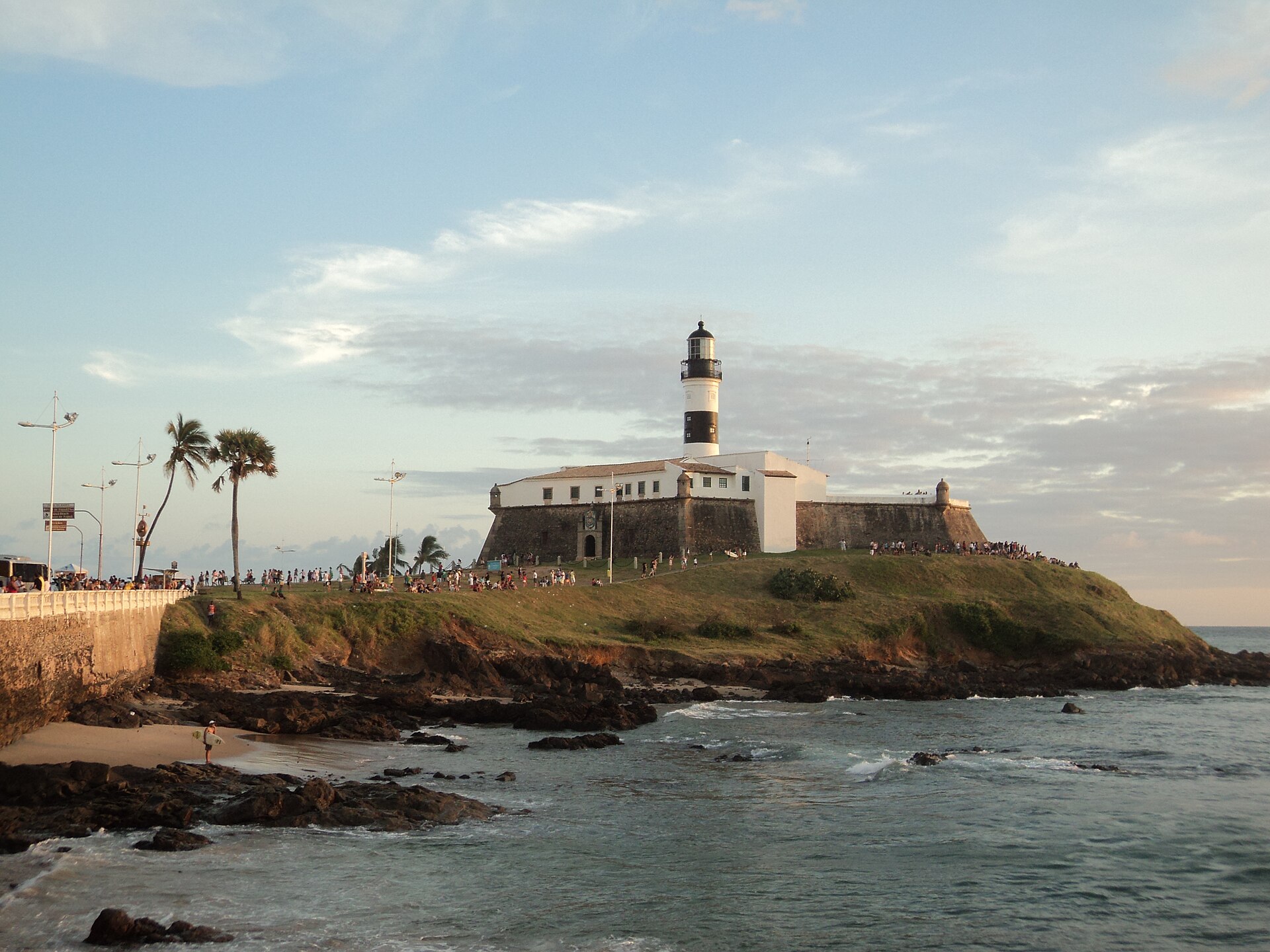


There’s a lovely moment on a first trip to Bahia when the planning finally gives way to being there: your bag is in the room, you’ve found somewhere for dinner, and tomorrow is still wide open. A little preparation makes that moment arrive sooner.
Once you’ve chosen your destination, concentrate on the small decisions that connect your flight, accommodation, and meals. A beautiful room is much easier to enjoy when you know how to reach it and what happens if your flight lands late.


Plan your first evening before your first excursion
Start with the time you expect to reach your accommodation, allowing room for baggage collection and the onward journey. Then choose a manageable first-night plan: check in, eat nearby, and settle in.
Save the restaurant you’ve been dreaming about for a day when a delayed flight won’t spoil the reservation. For arrival night, identify two realistic options close to your room and check their kitchen hours directly. A restaurant’s closing time may be later than its last food order.
If you’re continuing to a coastal town, decide whether that transfer still makes sense at your arrival time. Ask the driver or accommodation for a realistic estimate rather than squeezing the journey between optimistic map timings.
Ask about the arrival you’ll actually have
A useful booking question is specific: “My flight lands at this time. How would check-in work if I arrived two hours later than expected?” That tells you more than a general promise of attentive service.
Before confirming a hotel or pousada, check:
- Whether someone will be available when you arrive, and how to reach them if you’re delayed
- The exact entrance and drop-off point, including any steps or walk from the vehicle
- Whether early arrival means luggage storage or access to the room, and whether either costs extra
- The booked room’s bed arrangement, cooling, bathroom, and accessibility features you need
- Breakfast times, particularly if you’re planning an early departure
- The cancellation deadline and what the rate actually includes
Save the answers with your confirmation. If step-free access matters, ask about the entire route from the street to the room and dining area. A photograph of a spacious bedroom won’t answer that question.
Make the airport transfer a separate decision
For arrivals in Salvador, the airport’s transport guidance lists licensed taxis, ride-hailing services, city buses, and a free shuttle connecting the terminal with the airport metro station. The metro connection includes that shuttle leg, so account for it when comparing routes.
Think through the whole journey, including your final stop, bags, and arrival time. Public transport can suit a light, flexible arrival. A prearranged transfer may be worth comparing when several people are traveling together or the destination is farther along the coast. Confirm the meeting point, total charge, waiting policy, and how a flight delay will be handled.
For Praia do Forte, the local tourism association’s arrival guide identifies the BA-099, also known as the Estrada do Coco, as the road approach from Salvador. Ask for a quote to your specific property, including any tolls, rather than a general price “to Praia do Forte.” Avoid building your first evening around a fixed journey time.
Give meals a little structure
You don’t need reservations for every lunch. It’s more useful to decide which meals deserve planning and which can stay spontaneous.
Keep breakfast and arrival-night dinner straightforward. Pick one lunch or dinner that you particularly want to experience, then leave space around it. Check whether breakfast is included in your room rate and whether its timing works with your plans. If you expect to explore most days, consider how often you’ll actually use a package that includes other meals.
In Salvador’s Rio Vermelho, Casa de Tereza is one concrete place to begin researching regional food. Its own website provides menus and information about the restaurant. Browse the dishes, check the current reservation arrangements, and decide whether it suits your appetite and budget. Treat it as a starting point for your shortlist, rather than a reason to cross the city immediately after landing.
Order with curiosity and a few clear questions
Learning a little about a dish makes the first taste more interesting. Acarajé is a black-eyed-pea fritter cooked in dendê oil; the version sold at a baiana’s stall can include fillings such as vatapá, caruru, and dried shrimp. IPHAN’s account of the baianas’ craft explains its deep connections with Afro-Brazilian religious and cultural traditions.
Ask what comes with your order, whether it is intended for sharing, and how spicy it is. If you have dietary restrictions, discuss ingredients and preparation directly with the kitchen or vendor. Simply leaving off a visible topping may not address ingredients in a filling or sauce. Save any essential food questions in Portuguese before you go.
Ask permission before photographing someone at work, and give busy vendors time to serve. Food is an enjoyable way to get to know Bahia, and the people preparing it are part of that encounter.
Watch: the people behind Salvador’s food
For a little culinary context before you travel, watch “Donas do Sabor – Nara e Angélica,” from Visit Salvador da Bahia. This Portuguese-language episode introduces two women behind the city’s food culture. It comes from the tourism office’s 2021 series, so enjoy it for the stories and check present-day restaurant details separately.
Leave the first full day some breathing room
Choose one main outing and one pleasant meal for your first day. Leave enough room to learn your surroundings and adjust after the journey.
In Praia do Forte, Visit Brasil notes that the natural pools form at low tide. Check local conditions before deciding when to go, and follow advice about safe access. The Projeto Tamar visitor center offers another way to spend part of the day learning about sea-turtle conservation. Check its current opening information and activity arrangements before setting out.
The evening before departure, save your accommodation address, arrival instructions, transfer details, and first meal options somewhere accessible offline. Then let the rest of the trip unfold. A well-planned beginning gives you more freedom to enjoy the days that follow.
Leave a Reply